

I stepped off a train in a city I had never visited, carrying one bag and no plans for the afternoon. Within ten minutes I had done the thing I always do: earbuds in, podcast playing, map open, walking fast toward a place I had not actually chosen. Three blocks in, I caught myself. The podcast was filling a space that did not need filling. I took the earbuds out, pocketed the phone, and kept going. What followed was not profound. It was just quieter, and I noticed more.
The First Hour Is the Loudest
Arriving alone in a new place triggers a specific kind of panic. Not danger, exactly. More like the fear of having nothing to do with your attention. In my rented room, I turned on the television for company while I unpacked, then left it on while I checked my email, then left it on while I decided where to eat. The room was small and the noise was enormous.
That first hour is when the habit shows itself most clearly. Left with an empty stretch of time, most of us reach for input: a screen, a call, a list of tasks, a reason to be somewhere urgently. I have ordered coffee I did not want simply because holding a cup gave my hands a purpose. I have walked four extra blocks because standing still on a corner felt like being caught doing nothing.
Silence is uncomfortable at first because it removes the narration. Without a soundtrack, you hear your own thoughts arriving unedited — some of them dull, some of them things you have been walking fast to avoid.
Walking Without a Destination
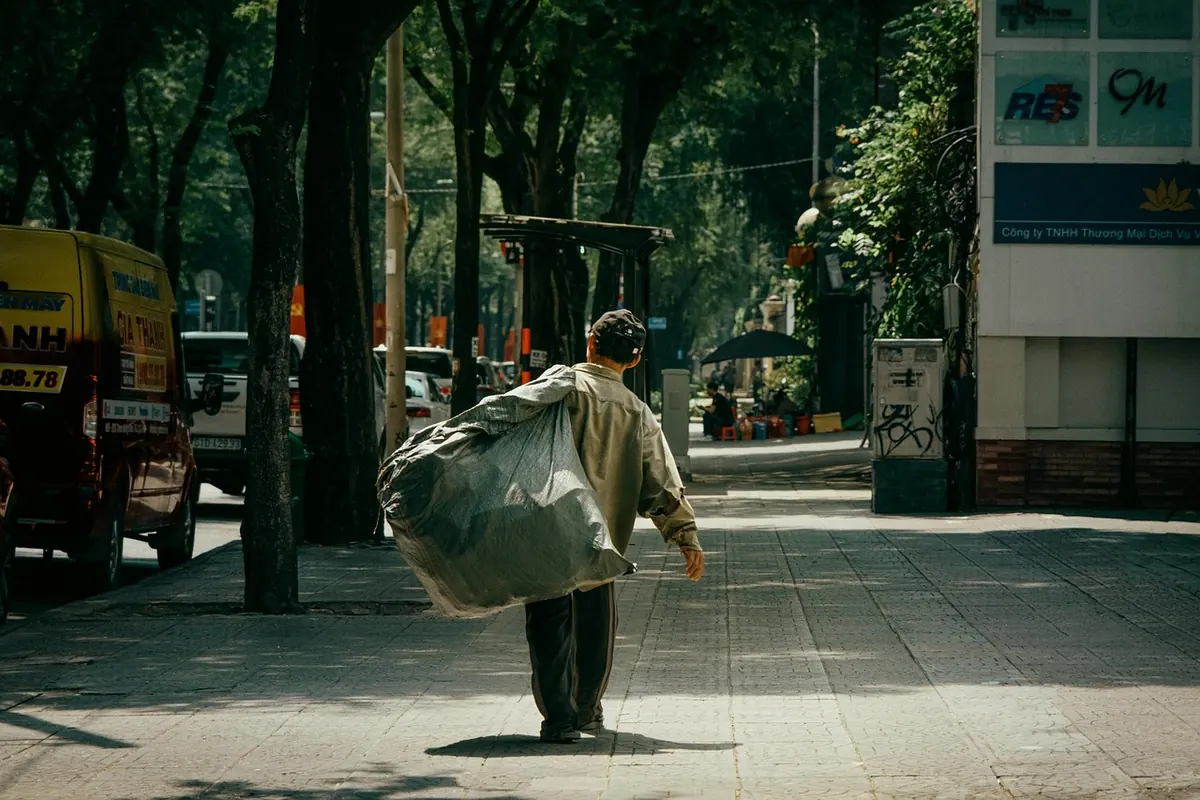
On the second day I gave myself one rule: no destination. I would walk until something made me stop. I turned left when a street looked narrow, right when a shop window caught my eye, straight when I could smell bread. Nobody was waiting for me. Nothing was scheduled. That sounds luxurious, and it was, but it was also faintly alarming.
What surprised me was how quickly my attention changed shape. With no goal, small things became events. A woman watering plants on a fourth-floor balcony. A hand-painted sign for a laundry that had clearly closed years ago and been left alone. Two old men on plastic chairs, arguing about something with great pleasure and no urgency.
When you have a destination, the street is a corridor between two points. When you do not, it becomes the point.
What the Quiet Makes Room For
The details that only show up on foot
Cities reveal themselves at walking speed. You notice the way a neighborhood changes at a specific intersection — the pavement, the awnings, the language on the shop signs. You notice that the same street sounds different at seven in the morning and seven at night. None of this is available from a bus window or a screen.
Your own pace, unhurried
Without a podcast in my ears, I started keeping time by my body instead of my phone. Feet, breath, the temperature of the shade versus the sun. I got hungry when I got hungry. I sat down when I was tired rather than when I reached a landmark. It had been a long time since my day had been organized that simply.
The thoughts that surface second
Here is what I learned about sitting with quiet: the first few minutes are noise. You replay conversations, plan errands, rehearse arguments. Then that settles. What arrives afterward tends to be quieter and more useful — an honest answer to a question you have been circling for months, or simply the recognition that you are tired and should go back to the room.
A Table for One, With Nothing to Read
Eating alone without a phone is its own small test. I ordered lunch at a narrow counter and put the phone face down in my bag. For the first five minutes I felt exposed, as though the room had been waiting for me to do something interesting. It had not. Nobody looked up.
Once I stopped performing, the meal became genuinely enjoyable. I watched the cook work. I listened to a conversation two stools down and understood about a third of it. I tasted the food instead of scrolling past it. I stayed twenty minutes longer than I needed to, and nothing bad happened.
That is the whole trick, really. Discomfort peaks early and then flattens out. Most of us leave before the flattening.
A Few Things That Helped
- Leave the headphones in the room for the first thirty minutes. You can retrieve them later if you want. You probably will not.
- Pick a direction, not a destination. Choose a street that looks less interesting than the others and walk it to the end.
- Sit somewhere for longer than feels justified. A bench, a step, a café stool. Stay until boredom turns into noticing.
- Keep the phone in your pocket, not your hand. If you need directions, get them, then put it away again.
- Write three plain sentences at the end of the day. What you saw, what you ate, what you thought about. No polishing.
The Quiet Came Home With Me
Two weeks after I got back, I noticed I had started walking to the shop without headphones. It was not a decision so much as an omission. Then I began sitting in the kitchen for ten minutes before the day started, doing nothing in particular. My partner asked what I was doing. I said thinking, which was only partly true. Mostly I was letting the morning be quiet before it filled up on its own.
The change is small, but it holds. I am less afraid of empty stretches of time than I used to be, and I fill fewer of them by reflex. When I do reach for noise now, it is usually a choice rather than a flinch.
How to Practice This Where You Live
You do not need a train ticket. Pick a neighborhood in your own city that you have only ever driven through, or a stretch of your own that you know too well. Set aside about an hour. Go in daylight, tell someone roughly where you are headed, and bring enough battery to get home safely if you need it.
Walk without a route. Leave the earbuds at home. Sit down once, somewhere public, for at least fifteen minutes with nothing to read. When the urge to check your phone shows up, wait sixty seconds before deciding. Often the urge passes and something more interesting arrives in its place.
Do it once a week if you can, alone. Not because solitude is superior, but because it is the only condition where you can hear what you actually think. The city will not teach you anything. It will just stop talking over you long enough for you to notice you were there the whole time.
Photo: Vien_beos / Pixabay
Related posts
More stories you’ll love reading